Author
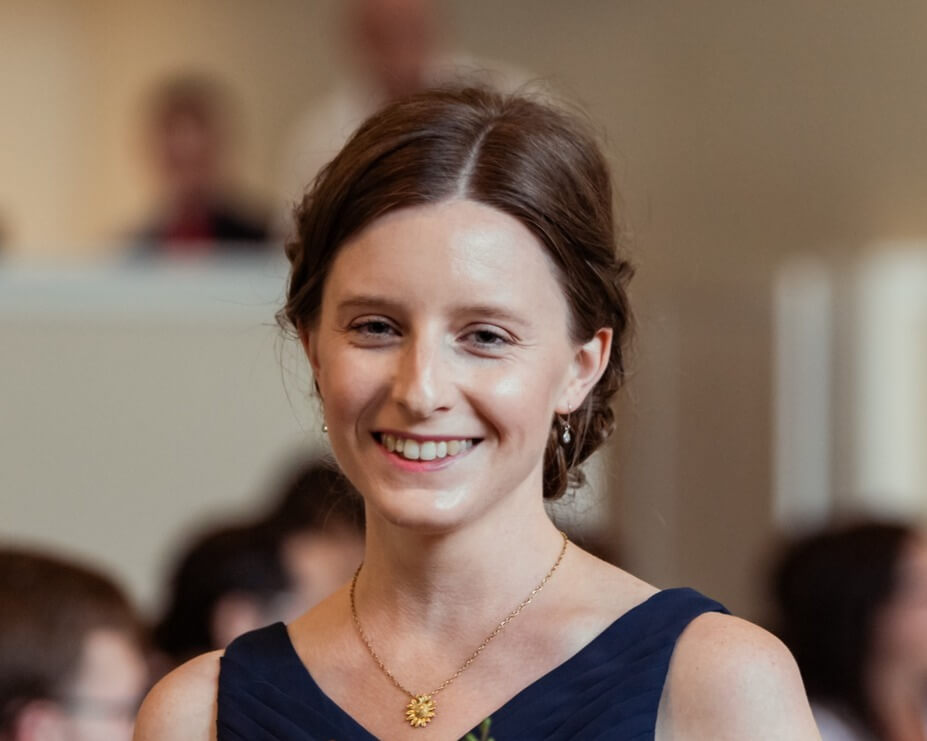
Dr Rachel Horrocks-Birss
QAA Scotland
TAPPS Key Contact
Reimagining Assessment for an Inclusive Tertiary Sector: Reflections from the Edinburgh Napier TAPPS Sharing Event
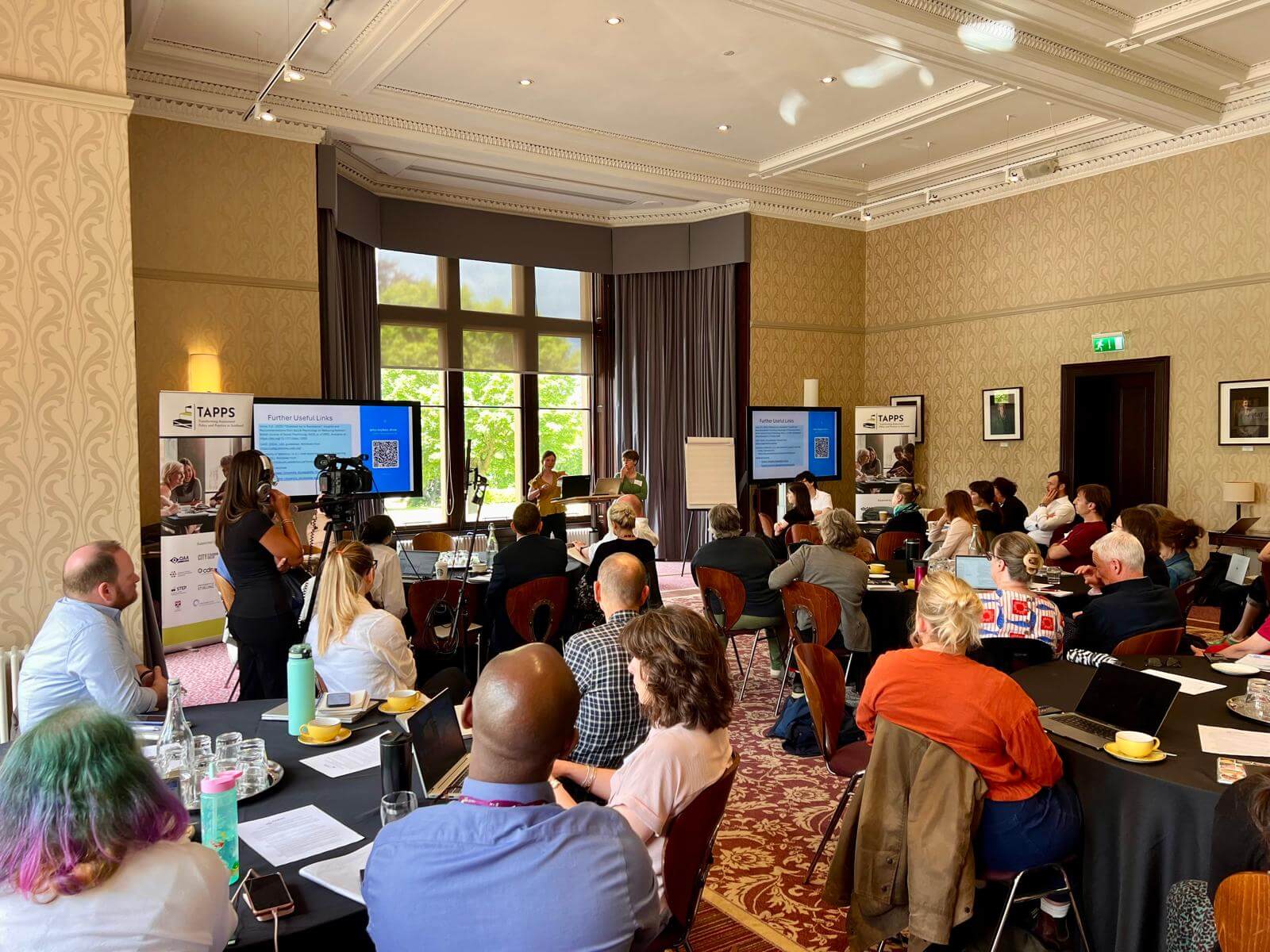
On 9 June, colleagues from across Scotland’s tertiary sector gathered at Edinburgh Napier University for a full day of discussion, provocation, and sharing of assessment practice. The event built on the shared recognition that assessment practices and policy must evolve if they are to meet the needs of today’s learners.
The day opened with a welcome from TAPPS project leads, Cameron Graham and Alison Greenwood-Bell, who situated the event within the wider tertiary enhancement landscape. They reminded participants of the scale and diversity of Scotland’s tertiary sector - 300,000 higher education students and 200,000 in further education - and the widening gap between the realities of learners’ lives and the persistence of traditional assessment models. Assessment, they noted, continues to drive student learning, yet policy and practice have not kept pace with changing student demographics, expectations, and challenges.
Keynote: Anti-Ableist Assessment in Further and Higher Education
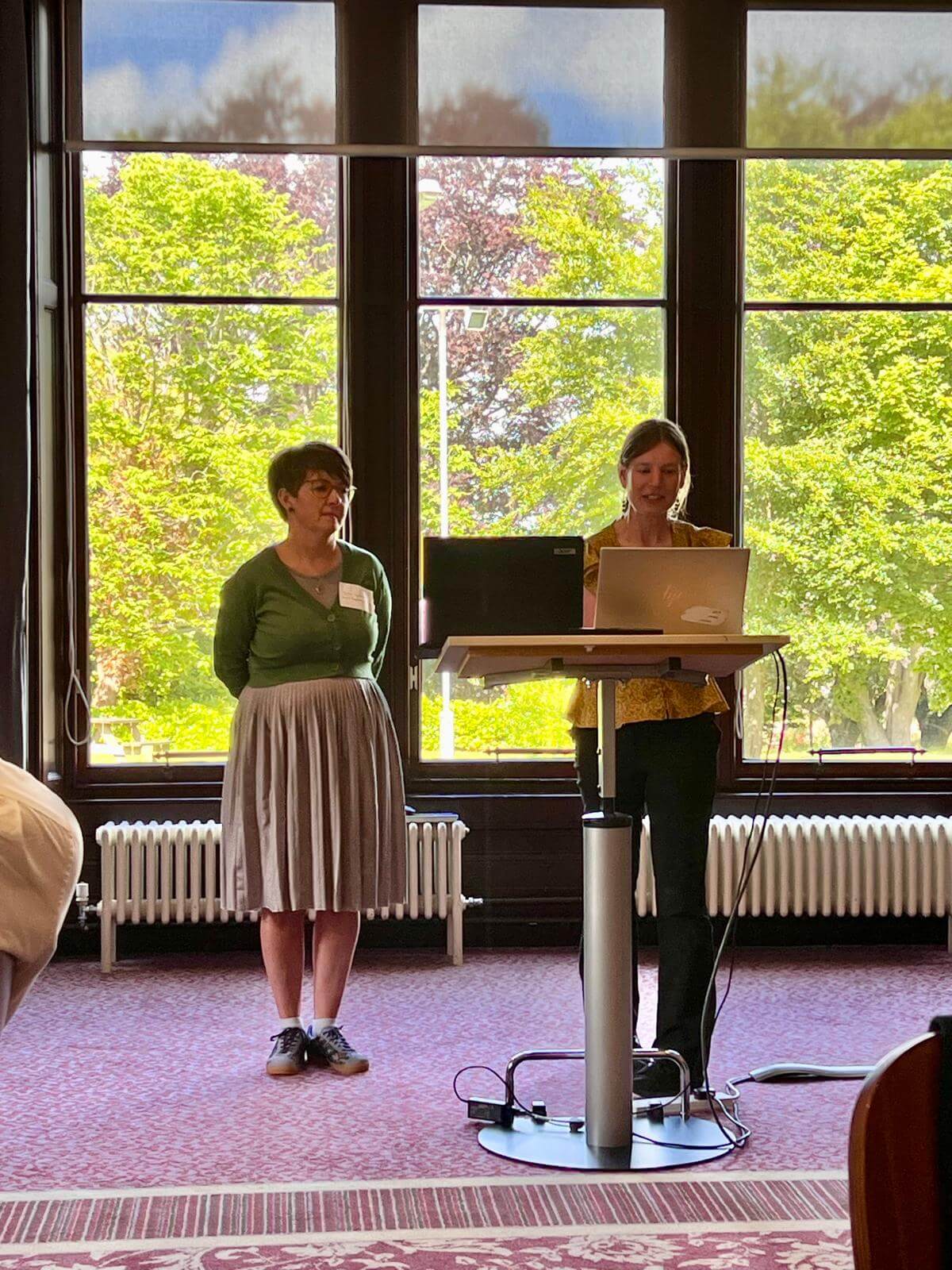
The keynote, delivered by Sian Jones and Clare Uytman, used the metaphor of 'baking chocolate chips into the cookie dough' to argue that anti‑ableist assessment cannot be an add‑on or a set of individual adjustments. Instead, inclusion must be embedded into the structure of educational practice and assessment design.
They began by asking a simple question: What is disability? Drawing on the Equality Act definition, UN frameworks, and student experience, they highlighted the complexity of disability as both an embodied and socially constructed phenomenon. Findings from the 2025 Disabled Students Survey reveal that satisfaction among disabled students is improving, but significant barriers remain: unclear support pathways, inconsistent accommodations, and the striking statistic that 46% of disabled students believed they received a lower mark because an assessment was inaccessible.
Sian and Clare traced the evolution of disability models - from medical, to social, to affirmative (Swain and French, 2000) - and argued that ableism remains deeply embedded in educational systems. Timed exams, memory‑based tasks, attendance requirements, and rigid formats all privilege certain bodies and minds. Even well‑intentioned adjustments can reinforce deficit narratives when they rely on disclosure, diagnosis, or students having to 'ask for help.'
Their call to action centred on de‑pathologising assessment. They shared an example from an inclusive practice module where students could choose between an essay and a podcast, supported by transparent rubrics, flexible deadlines, and accessible formats. Specifically, rubrics with ableist criteria, such as a presentation requiring eye contact, was changed to acknowledge diverse ways of communicating knowledge: 'the presentation given confidently and smoothly, audible, clear language with appropriate pacing and use of text/graphics.' The aim was not to lower standards but to remove unnecessary barriers and recognise diverse ways of demonstrating learning.
The keynote concluded with a challenge to the sector: anti‑ableist assessment must be proactive, systemic, and collective. As they put it: 'bake it in, don’t sprinkle it on top.'
* Swain, J., & French, S. (2000). Towards an Affirmation Model of Disability. Disability & Society, 15:4, 569-582, DOI: 10.1080/09687590050058189
Case Studies: Innovations Across Contexts
The remainder of the day showcased a range of case studies from colleges and universities, each offering a different lens on student‑centred assessment.
Student‑Led Assessment for Autonomous Learning – Zack Moir (Edinburgh Napier University)
Zach presented a student‑led assessment model, where learners design their own assignments, create their own criteria, and evaluate their own work, with staff acting as coaches. The approach embeds UDL principles by design and encourages students to question the nature of assessment. While students initially find the freedom to be daunting, and it can be challenging to implement self-grading fairly, Zack argued that the risks of maintaining the status quo in practices of grading and assessment which bring dependency, risk‑aversion, and disengagement, are far greater.
Interactive Oral Assessment – Anna Bak‑Klimek (Edinburgh Napier University)
Anna presented a shift from a 3,500‑word essay to an interactive oral assessment (IOA) grounded in meaningful dialogue. Healthcare management students adopt the role of a manager addressing a real‑world issue, engaging in conversation with peers and the marker. The format reduces opportunities for academic misconduct, increases motivation, and enhances practical skills and preparedness for real workplace problems. With 100% satisfaction and improved pass rates, the pilot demonstrated the value of dialogic assessment, though further refinement is needed to strengthen student questioning and reduce reliance on slides.
Flexible Assessment for Diverse Learners – Sheila Godfrey, Jane Stevenson, and Graham Rae (Edinburgh College)
The team at Edinburgh College described developing a qualification where assessment became almost invisible. Through peer and self‑assessment, recorded sessions, and dialogic teaching, students engaged more deeply and joyfully with learning. The approach reduced assessment burden, thereby supporting student wellbeing.
Authentic Assessment at Scale – Catherine Mahoney (Edinburgh Napier University)
Catherine shared a redesign for large cohorts (500–800 students) of pre-registration nurses, in which students create a 'communication resource' advocating for someone whose voice maybe marginalised within social and/or healthcare settings. Rooted in human rights, the assessment invites creativity and emotional engagement. Simplified criteria and scaffolded formative activities support students to take risks and express themselves meaningfully.
GenAI and Authentic Assessment – Heather Earnshaw (Edinburgh Napier University)
Heather addressed the intersection between GenAI, academic integrity, and assessment design. Recognising that some assessments had become vulnerable to AI misuse, she and colleagues in the School of Applied Sciences developed a toolkit offering examples, prompts, and reflections to support colleagues in (re)designing authentic assessments. The process fostered interdisciplinary collaboration but also surfaced tensions around workload and resistance to change.
Inclusive Assessment for Research Postgraduates – Claire Garden (Edinburgh Napier University)
Claire highlighted the lack of sector guidance for supporting disabled PhD students. Her research team found that institutional policies were often vague, with only two universities offering clear frameworks. Recommendations included standardised language for adjustments, support throughout the PhD lifecycle, reasonable adjustments for PhD examination and dissemination of case studies. The work underscores the need for inclusive assessment beyond taught programmes.
Continuous Assessment in Practice – Anne Savage & Janet Horrocks (Abertay University)
Anne Savage and Janet Horrocks shared a move from exams to fortnightly online tests, supported by practice opportunities and catch‑up sessions. The approach improved engagement, pass rates, and progression, though short‑answer formats were less effective for complex systems thinking. With block teaching on the horizon, further adaptation will be required.
Co‑Creating Rubrics – Tanya Lubicz‑Nawrocka (Edinburgh Napier University)
Tanya described co‑creating marking rubrics with PGCAPHE students. Learners reported increased agency, creativity, and understanding of expectations. While these rubrics were used formatively rather than summatively, the approach opened up what students described as “forbidden territory,” challenging traditional power dynamics.
Inclusive Assessment in PGDE Programmes – Faye Hendry and Alyson Young (University of Aberdeen)
Faye and Alyson described how they modelled inclusive practice for trainee teachers. Their programme redesign embedded choice and compassionate approaches, which were supported by rubrics, writing workshops, and audio feedback options. Inclusion, they argued, must be designed in, not retrofitted.
Simulation Timing for Nautical Sciences – Rizwan Mammoo (City of Glasgow College)
Rizwan demonstrated how adjusting the timing of simulator‑based assessments—ensuring students had practical experience before simulation—improved engagement and performance. A simple structural change made the assessment more meaningful and less overwhelming.
Assessment in Sport Professional Placements – Robert Kielty (University of Stirling)
Robert discussed how to level the playing field for students in placement‑based modules through skills workshops, mentoring, and a focus on “sporting capital.” Student feedback highlighted the importance of early, experience‑based development for employability, rather than relying solely on qualifications.
Shared Themes
Several shared themes emerged across presentations, chiefly the joy of diverse assessment. Practitioners described approaches that were rooted in play, creativity, and relationship-building, which were more enjoyable to complete - and to mark - than traditional assessments. Simultaneously, presenters reflected on the importance of trust, of staff relinquishing control and enabling student agency.
There was also a common acknowledgement that letting go of control means experiencing discomfort, as both staff and students navigate unfamiliar practices. Presenters reflected both on the continuing need to support students, as well as colleagues to support each other, recognising that inclusive assessment is a collective endeavour.
Finally, throughout the day, presenters and attendees expressed a commitment to embedding inclusion, rather than treating it as a reactive or individualised process. By adopting flexibility and choice as key principles, colleagues are building assessment systems that are more humane, more authentic, and more aligned with the diverse realities of learners’ lives.