TAPPS Assessment Policy Forum
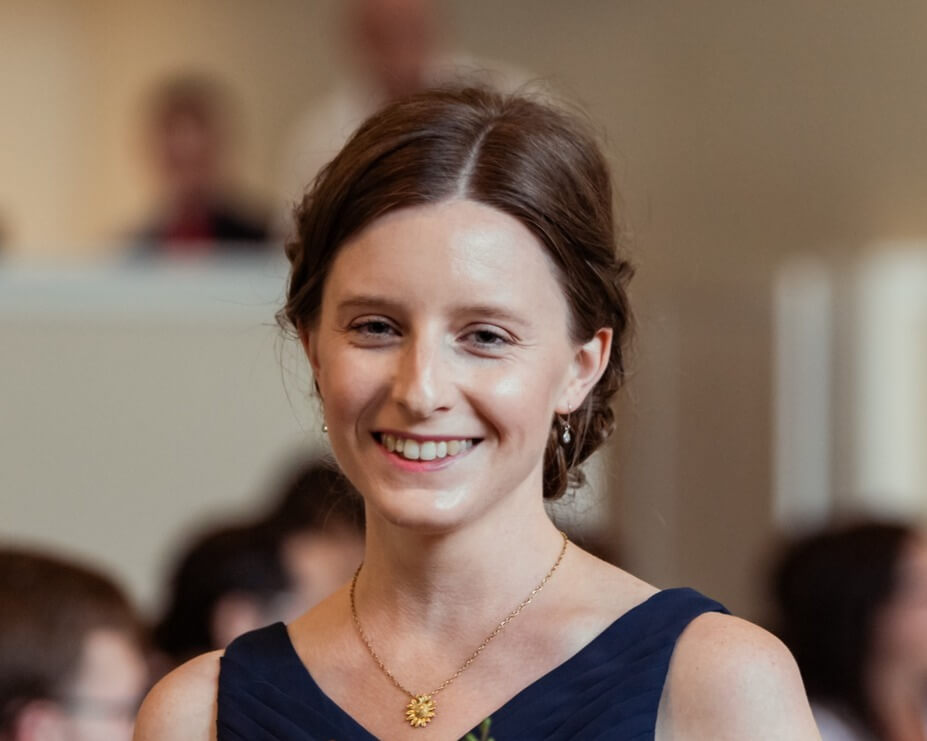
Rachel Horrocks-Birss
'You have the expertise to evoke change' was the call to action at the TAPPS Assessment Policy Forum, posed by keynote speaker, Juuso Nieminen. The forum was held on 6 October 2026 at Glasgow City Chambers and attended by representatives from sector agencies, students, and colleagues leading in areas of assessment policy or engaged in assessment practice in institutions across further and higher education. The event opened with a welcome from the Deputy Lord Provost Christy Mearns, who emphasised the need to revise how we assess our increasingly diverse learners. She highlighted the Policy Forum as an opportunity to shape the future of assessment in Scotland, keeping learners at the heart of the conversation.
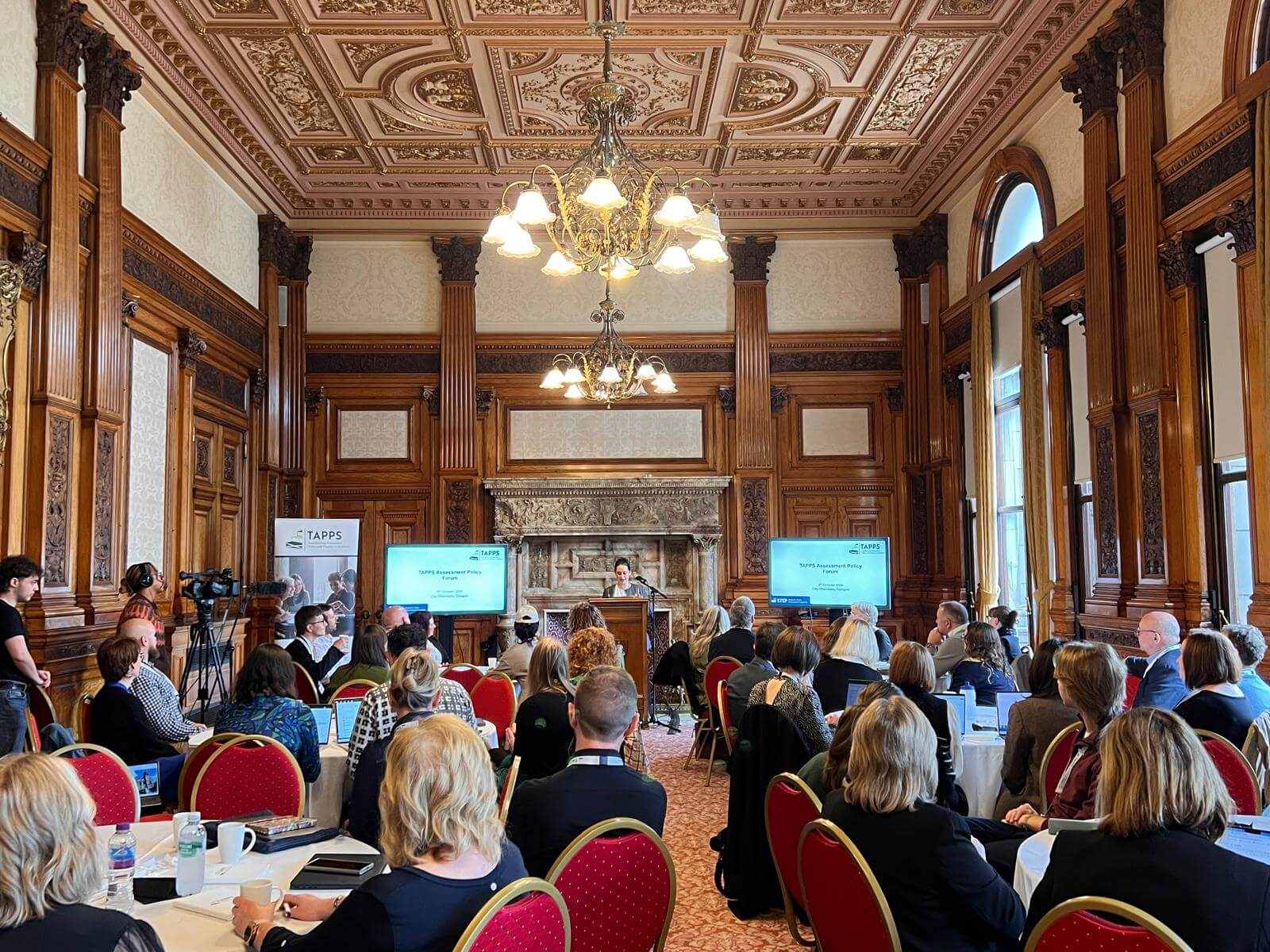
The TAPPS project leads, Cameron Graham and Alison Greenwood-Bell, then welcomed attendees with an overview of the project, including a short student-made video. They argued that assessment can be both an enabler of and a barrier to student success and therefore it needs to transform to respond to the demography of today’s learners. The primary goal of the TAPPS project is to build an evidence base and push for change, with the Policy Forum intended to bring a diverse range of voices together and advance the conversation, working towards policy change and improved assessment for all learners.
In an open-floor discussion, a series of sector agencies, including Qualifications Scotland, Education Scotland, the Scottish Funding Council, College Development Network, and the Quality Assurance Agency, all voiced their support for the project and outlined their current work to understand our learners and make assessment more inclusive.
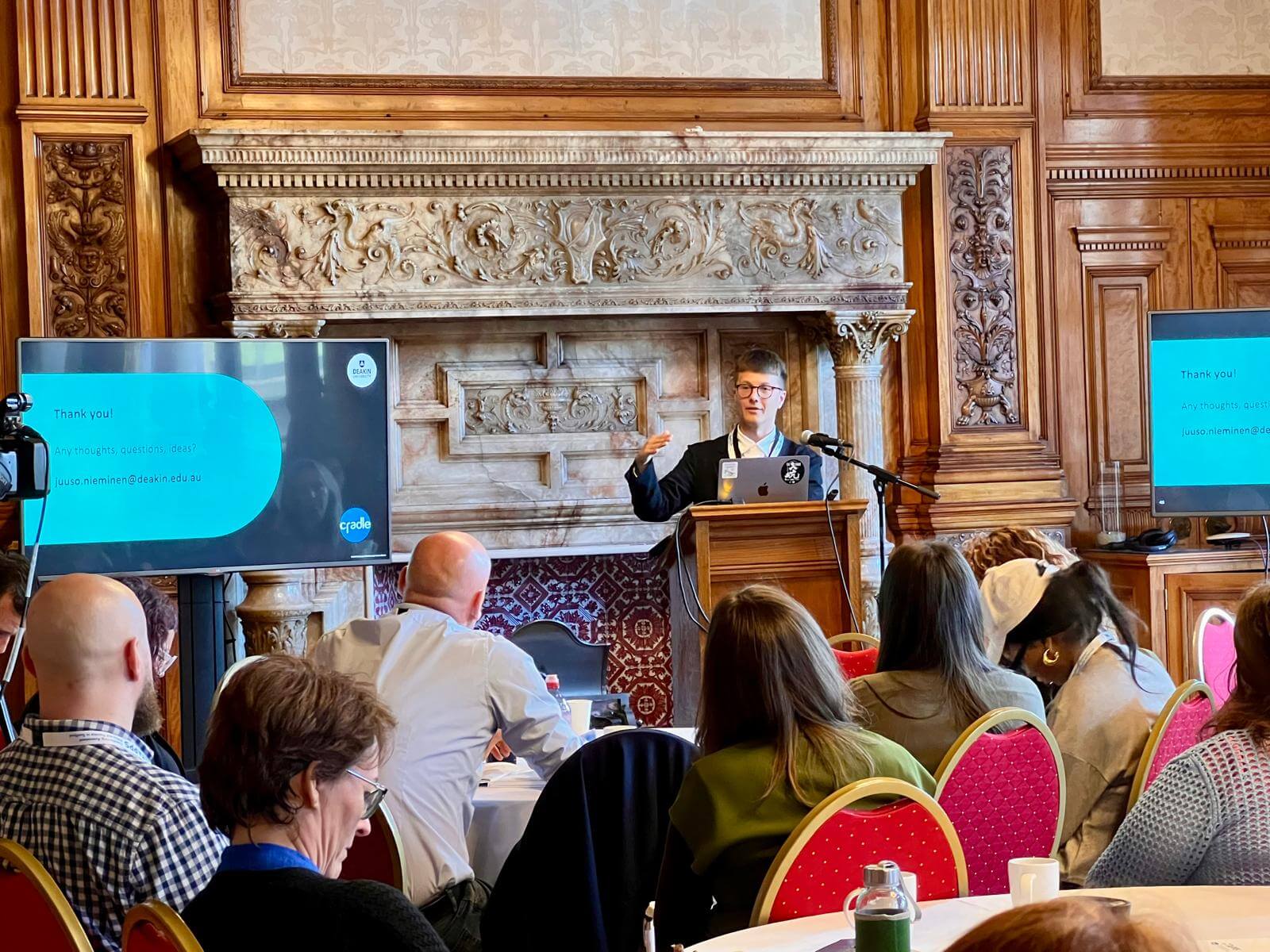
The keynote, 'Rethinking inclusive assessment beyond the standard student,' was delivered by Juuso Nieminen (CRADLE, Deakin University, Australia). He opened with a provocative question: should assessment be inclusive? For example, inclusive initiatives such as 'reasonable adjustments' are often seen as undermining academic standards, while simultaneously making disabled students feel more marginalised. We often work to make assessment accessible to specific students’ requirements rather than designing assessment that can be accessible to all learners without need for adjustment, e.g. extra time, separate rooms, alternative formats. Juuso argued that our attempts at making assessment more inclusive can often cause inequities by viewing diversity as a problem to be managed rather than a source of value. After decades of work to transform assessment, it is still consistently cited as an exclusionary practice. Our failure to make assessment truly inclusive isn’t due to a lack of effort; rather, it’s due to our inability to think about inclusivity beyond simply fair procedures.
For the remainder of the keynote, Juuso outlined how this change might be achieved by moving beyond 'affirmative' actions that simply adjust existing styles of assessment and instead questioning the purpose of assessment itself. He outlined several ways of looking at assessment, including cultural recognition (whose ways of knowing/being/doing are recognised in achievements?) and political representation (who has the final say in assessment practice?). Crucially, any assessment change needs to happen at programme level, rather than focussing on individual modules or assessments, and conversations need to include students as key partners. Juuso argued that assessment transformation must be based in risky dialogue and radical honesty, where the outcome is always uncertain. Importantly, Juuso, citing Broadfoot (1998), pushed us to 'think big', to acknowledge the unprecedented scale of the challenge we face and to avoid getting stuck in the status quo by simply tinkering at the edges. Instead, we must use the expertise and drive of those of us in the Forum to ‘evoke change’ in Scotland where we can work together as a sector to transform assessment policy.
After the keynote, the TAPPS project team introduced their recent publications, including the Policy Review Report, which summarises assessment policies across both FE and HE in Scotland, and the Literature Review exploring recent scholarship on flexible and inclusive assessment. This work reveals that, although inclusivity has been well-explored within scholarship, there is a distinct lack of clarity in institutional policies and practice. Key barriers included the fragmentation of policy documentation, formality of language, and lack of clear distinction between policy, guidance and principles. To support assessment change across Scotland, the team suggested developing resources such as a sector-wide set of principles, naming conventions, or even a shared assessment policy developed and owned by the Scottish tertiary sector.
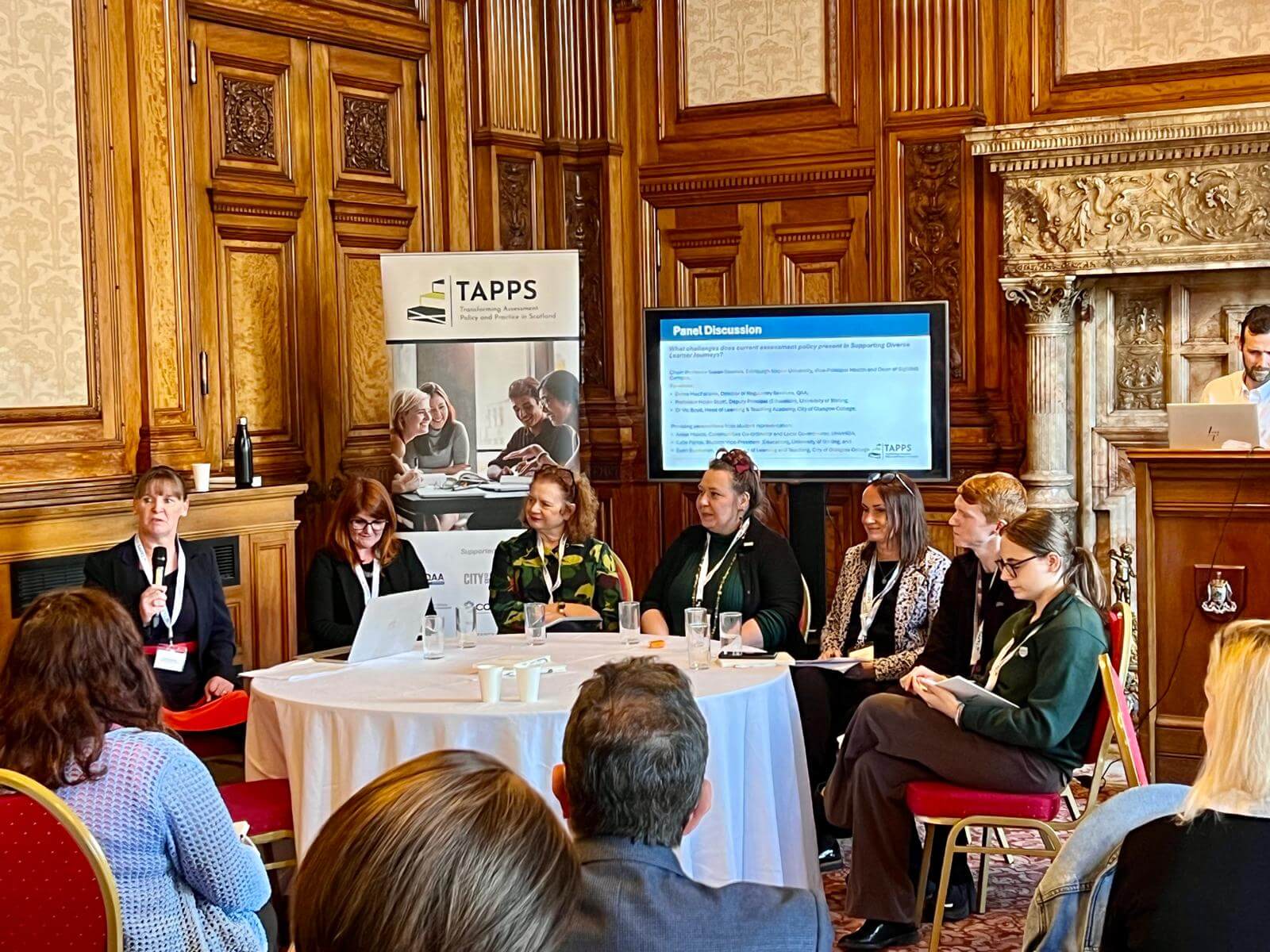
The event closed with a panel discussion chaired by Susan Dawkes (Vice Principal for Health, Edinburgh Napier University) featuring staff and students from across the sector, including Debra MacFarlane (Director of Regulatory Services, QAA), Helen Scott (Deputy Principal for Education, University of Stirling), Vic Boyd (Head of the Learning & Teaching Academy, City of Glasgow College), Annie Mason (Coordinator, University of the Highlands and Islands), Katie Parker (Vice President Education, University of Stirling), and Euan Buchanan (Vice President Learning and Teaching, City of Glasgow College). These colleagues reminisced on their own experiences of assessment, positive and negative, and reiterated the need for better alignment between assessment policies and practice. When asked how we can work together to bring about change, panellists encouraged the room to 'be the change you want to see' and to keep working together, including with students, to take risks and transform assessment across Scotland. The TAPPS team hopes that this challenge and the conversations throughout the day are the start of the change to assessment policy that the project aims to achieve and possibly the first of many sector-wide fora as the Policy Forum event!